


Pediatric Endocrinology & Diabetes

Specialized Pediatric Endocrinology & Diabetes Care in Chennai
Understanding Pediatric Endocrinology Disorders in Children
The speciality of Pediatric endocrinology deals with hormonal disorders in children. Hormonal disorders in children includes conditions such as thyroid disorders, short stature, tall stature, early puberty, late puberty, diabetes and bone disorders among others. In India, awareness of hormonal disorders in children are increasing thanks to better laboratory testing and treatment options.
Advanced Diagnostic and Treatment Facilities
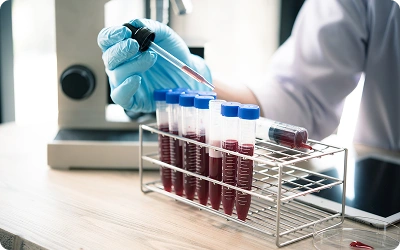
The department of Pediatric Endocrinology and diabetes at KKCTH is fully supported with all modern investigations, stimulation and suppression testing, In-patient treatment, pediatric dietitian input, radiological investigations as well as emergency management of endocrine and diabetes complications. Treating diabetes in children is very different from adults and the department specializes in cost effective treatment, training and counseling of children with diabetes. Children with diabetes can lead a normal life!
Expert Pediatric Endocrinologist in Chennai
At KKCTH, the pediatric endocrinology doctors understand the unique challenges faced by children with hormonal and growth problems. With years of experience, the focus is on clear diagnosis, care, and practical guidance. We provide a personalised plan for each child, and families are supported at every step. This makes KKCTH the trusted choice for pediatric endocrinology and diabetes care in Chennai.
.png)























FAQ
- KKCTH's Paediatric Endocrinology service, led by Dr. K. G. Ravikumar (MBBS, MD, MRCP, FRCPCH, CCT UK), manages the full range of hormonal disorders in children, from infancy through adolescence.
- Conditions include thyroid disorders (congenital hypothyroidism, autoimmune thyroiditis, hyperthyroidism), disorders of growth (short stature, growth hormone deficiency, tall stature syndromes), puberty disorders (precocious puberty, delayed puberty), adrenal disorders (congenital adrenal hyperplasia, adrenal insufficiency), diabetes insipidus, calcium and bone metabolism disorders (rickets, hypoparathyroidism), and disorders of sex development. The department is supported by comprehensive in-house laboratory and radiology services for hormonal stimulation and suppression testing.
- Yes. KKCTH provides comprehensive management of Type 1 and Type 2 diabetes mellitus in children, including multiple daily injection regimens, insulin pump therapy assessment, and continuous glucose monitoring.
- Dr. K. G. Ravikumar's team recognises that diabetes management in children differs fundamentally from adults—encompassing school participation, pubertal hormonal fluctuations, and parental involvement. The department delivers cost-effective treatment with a strong emphasis on family training, carbohydrate counting education, and prevention of hypoglycaemia and ketoacidosis. Emergency management of diabetic ketoacidosis (DKA) is available through the PICU.
- Yes. Detailed growth assessments, including auxological measurements, bone age radiographs, and hormonal provocation tests, are performed to evaluate children with short stature or abnormal growth velocity.
- The evaluation protocol follows established international guidelines and includes assessment of growth hormone secretion (insulin tolerance test, glucagon stimulation test), thyroid function, bone age, karyotype where indicated, and nutritional status. Children confirmed to have growth hormone deficiency or other treatable causes of short stature receive disease-specific treatment with regular monitoring of response and safety.
- Yes. Most endocrine conditions in children require sustained clinical and biochemical monitoring, often extending through adolescence and transition to adult endocrine services.
- For children on growth hormone therapy, thyroid replacement, or insulin, the frequency of review is typically every 3–6 months, with more frequent assessment during periods of illness or treatment adjustment. Children with congenital adrenal hyperplasia require lifelong glucocorticoid replacement with stress dosing education for parents. The department maintains structured follow-up protocols aligned with national and international paediatric endocrine society guidelines.
- Yes. KKCTH's endocrinology service provides a structured assessment and management pathway for childhood obesity, including evaluation of underlying hormonal causes and metabolic comorbidities.
- Assessment includes screening for hypothyroidism, Cushing's syndrome, polycystic ovarian syndrome in adolescent girls, and insulin resistance or pre-diabetes. Management involves dietary optimisation with the paediatric dietitian, structured physical activity guidance, and in selected adolescents, pharmacological intervention. Children with severe obesity are evaluated for metabolic syndrome components including dyslipidaemia and non-alcoholic fatty liver disease, which may require multidisciplinary management.
- Yes. Family and caregiver education is a cornerstone of paediatric diabetes and endocrine care at KKCTH, empowering families to manage complex conditions safely at home.
- Educational sessions cover insulin injection technique, blood glucose monitoring, sick-day rules, hypoglycaemia recognition and management, dietary carbohydrate principles, and school management plans for children with diabetes. For adrenal insufficiency, parents are trained in emergency hydrocortisone injection. The Department of Paediatric Endocrinology and Diabetes also conducts public awareness events, including symposia on childhood diabetes, quizzes for postgraduates, and carbohydrate counting workshops, particularly around World Diabetes Day.